
The Psychology Behind Slot Machines
Slot machines have long captivated players, and this phenomenon is rooted in various psychological principles. One significant aspect is the unpredictability of outcomes. When players pull the lever or press the button, they engage in a behavior that produces a variable reward system. This means players never know when a payout might occur, creating a sense of anticipation that keeps them engaged. Many players also explore different betting sites to experience varying gameplay styles, and the prospect of a big win fuels hope and excitement, making it increasingly difficult for players to walk away when they feel that a payout may be just around the corner.
Moreover, slot machines are designed with vivid colors, engaging sounds, and stimulating animations that enhance the overall experience. These sensory inputs evoke strong emotional responses, reinforcing the desire to keep playing. The immediate feedback from winning combinations amplifies the thrill, releasing dopamine—the pleasure and reward chemical in the brain. This creates a positive reinforcement loop that encourages players to continue spinning in search of that euphoric feeling, often leading to extended gameplay sessions.
Additionally, many slot machines incorporate themes and narratives that resonate with players’ interests. Whether it’s a popular movie, an adventurous quest, or a fantasy realm, these thematic elements draw individuals into an immersive experience that transcends mere gameplay. This captivating environment can make it easy for players to lose track of time as they become engrossed in both the aesthetic and storylines, further contributing to the addictive nature of slot machines.
The Role of Near Misses
Near misses are a significant factor in the addictive nature of slot machines. Players often come tantalizingly close to winning—such as landing two matching symbols just shy of a jackpot. These near-miss scenarios can be psychologically rewarding, leading players to believe they are “just one spin away” from a win. This mindset fosters persistence, compelling them to continue playing, often resulting in extended sessions at the machines. The emotional high associated with these near misses can be just as thrilling as actual wins.
Research indicates that these near misses can trigger similar brain responses to actual wins, creating a distorted perception of their likelihood of winning. Players may feel encouraged by their perceived proximity to victory, mistakenly believing that luck is about to turn in their favor. This illusion of control can further entrench players in gameplay, making it increasingly challenging to exit a losing streak, as they convince themselves that a win is imminent.
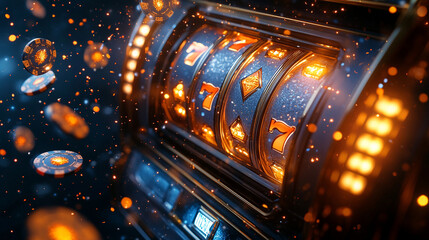
Furthermore, the emotional rollercoaster induced by near misses can lead to chasing losses. The belief that they were so close to winning often encourages reckless behavior, prompting players to gamble more in hopes of overcoming previous losses. This complex cycle of addiction, compounded with the thrill of near misses, can be difficult for many to break, creating a compelling case for the powerful psychological influences at play in slot machine design.
The Influence of Jackpot Sizes
Jackpot sizes significantly contribute to the allure of slot machines. The potential for life-changing payouts draws in players who fantasize about striking it rich with a single spin. While the odds of winning a progressive jackpot are often astronomically low, it is the dream of hitting such a jackpot that keeps many players returning. Marketing techniques further heighten this allure by portraying these large payouts as more attainable than they genuinely are, enticing players to take chances in hopes of winning big.
The excitement surrounding jackpots transcends monetary value; it also represents social status and validation. Winning a substantial sum can provide players with a profound sense of accomplishment and recognition among peers. This notion of social comparison acts as a powerful motivator, as players feel compelled to compete against each other’s successes. The desire to emulate stories of other winners feeds into the overarching narrative that anyone could potentially win big, regardless of the odds, which keeps players engaged.
Moreover, the frequency of smaller payouts perpetuates this cycle of play. Many slot machines are engineered to provide frequent, albeit smaller, rewards to maintain player engagement. This combination of large jackpots and consistent smaller wins creates an enticing blend of excitement, solidifying the machines’ addictive nature. Players are more likely to persist, believing that success is within reach, even if the reality often presents a different picture. This blend keeps players hopeful and engaged, fuelling their desire to continue playing.
Reward Schedules and Game Design
The meticulous design of slot machines is aimed at promoting engagement and prolonging playtime. A key element is the use of variable reward schedules, where wins occur unpredictably. This unpredictability can create a heightened state of excitement, as players eagerly anticipate the next possible win. Unlike table games, where the odds can be calculated, slot machines offer an air of mystery that keeps players guessing and invested in the outcomes of their spins, contributing to the addictive nature of the experience.
Game mechanics often incorporate levels of progress or bonuses that reward players for continued play. Many modern slot machines feature intricate storylines and challenges that players can unlock by playing longer, giving them goals and achievements to strive for. This structured approach deepens players’ attachment to the game, as the desire to see how a storyline unfolds can lead them to invest more time and money than they initially intended. The prospect of advancement within the game creates an engaging dynamic that keeps players returning.
The use of sound effects and visual stimuli also enhances the overall gaming experience. Winning sounds, celebratory animations, and captivating graphics create a sense of achievement with each win, regardless of its size. This constant reinforcement encourages players to keep spinning, blurring the line between entertainment and compulsion. The overall design strategy is aimed at maximizing player engagement and increasing the likelihood of repeat play, ensuring that the machines remain a popular choice among gamblers.
Encouraging Responsible Gaming
Recognizing the addictive nature of slot machines is essential in promoting responsible gaming. Raising awareness about psychological triggers and sensory influences empowers players to make informed decisions about their gaming habits. Many casinos and online gaming platforms are beginning to implement measures aimed at encouraging responsible play, such as setting time limits, spending caps, and providing resources for seeking help when needed. These initiatives are designed to foster a healthier gaming environment.
Moreover, players can benefit from education about the odds associated with slot machines. Understanding that outcomes are random and that the house always has an edge can help individuals develop a healthier perspective on gambling. This awareness can mitigate impulsive behaviors leading to addiction, fostering a more balanced relationship with gaming and reducing the likelihood of detrimental behavior patterns.
Access to support services for those struggling with gambling addiction is crucial. Numerous organizations specialize in providing help and support, ensuring that players have resources available should they find themselves overwhelmed by their gaming habits. Promoting a culture of responsible gaming is fundamental to mitigating the risks associated with the thrilling yet addictive world of slot machines. By prioritizing education and support, players can enjoy gaming while minimizing potential harm.